Champions League Matchday Four: English Clubs' Guide
Event / announcement: August 28, 2026

Champions League Matchday Four takes place on Tuesday 3 and Wednesday 4 November, according to UEFA's competition calendar. It brings the league phase toward its halfway point and sends English clubs into a range of home and away assignments. Aston Villa are listed to visit Barcelona on 3 November, while Arsenal's fixture list sends them to Slavia Praha on 4 November. Those are confirmed pairings; their outcome and the state of the table after the weekend remain open.
UEFA's fixtures-by-team page is the reference for each club's date and opponent. The league phase asks every side to play eight matches against different opponents, meaning Matchday Four is part of an accumulated ranking rather than a knockout return leg. English clubs have already collected evidence from their opening three games, but they have not faced identical schedules. A useful preview therefore starts with the current table and the specific opponent, not a blanket claim that every team needs the same type of result.
The confirmed fixture and its context
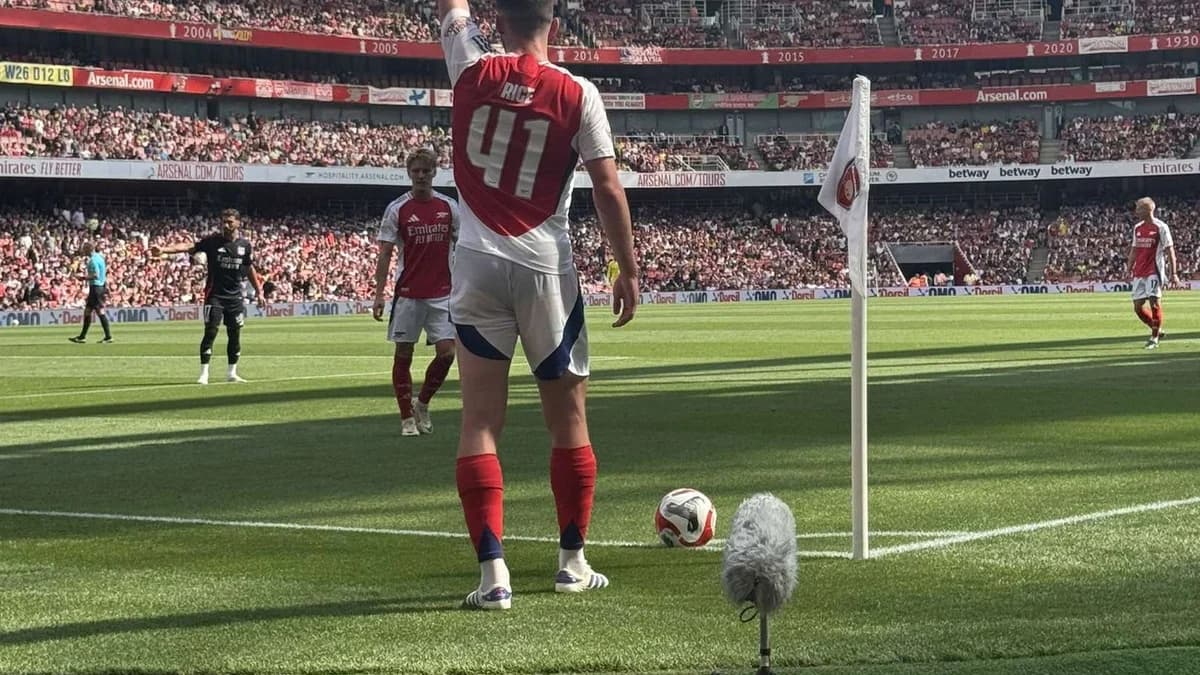
Villa's trip to Barcelona presents a demanding away environment; Arsenal's visit to Prague creates a different challenge in terms of travel, tempo and crowd. Both fixtures can add valuable points, but neither can be understood solely through historical club names. Form in October and squad availability close to kick-off are more relevant. The round matters because points won now reduce pressure later, while dropped points can make December and January fixtures more consequential.
- UEFA schedules Matchday Four for 3-4 November.
- Villa are listed away at Barcelona on 3 November.
- Arsenal are listed away at Slavia Praha on 4 November.
- The league phase has eight matches per club.
- Current table positions must be checked before making qualification claims.
The distinction between a confirmed fact and a forecast matters here. The fixture, result and competition details above come from the linked reports and official schedules. Any suggestion about how English clubs or their European opponents might approach the next match is analysis, not a team announcement. Selection, injuries and tactical plans can change after this article is written, so a reader returning on match day should use the clubs' latest team news and the competition's current fixture page before drawing a firm conclusion.
The tactical questions
For away sides, the first fifteen minutes can reveal whether their press and passing patterns survive a noisy setting. Villa and Arsenal may each need to choose when to slow the game and when to accelerate into space. Set pieces can be especially useful when open-play chances are scarce. Watch the distances between midfield and defence after a turnover: a team may look secure while holding the ball yet be vulnerable to one direct pass after losing it.
The useful way to study English clubs in this setting is to separate territory from chance quality. Possession on its own says little about whether the ball reached dangerous areas, and a shot count can be inflated by speculative attempts. Watch where moves begin, how quickly the side progresses through midfield and whether its wide players can receive facing goal. For their European opponents, the same exercise can show whether a defensive spell is controlled or whether the team is merely surviving repeated entries into its penalty area. Those details make a more dependable reading than the score alone.
Set pieces deserve their own assessment. Corners and free kicks can change a close Champions League contest without either side dominating open play. Look for the first contact, the space around the second ball and the way defenders respond after a partial clearance. A team can defend the initial cross well yet concede because its midfield line does not recover. At the other end, a rehearsed delivery can create the decisive chance from an otherwise quiet attacking period. The official match report is the reference for what happened; these are the patterns worth checking in the footage.
- Can the away sides settle before conceding territory?
- Which midfield protects the space after a turnover?
- Will set pieces matter against compact opponents?
- Do late squad changes alter the expected matchups?
- How does the live table look after both nights?
How the wider schedule shapes the story
This match belongs to a crowded part of the football calendar. League games, European ties and international windows can force a coach to make decisions on recovery as well as form. That does not make rotation inevitable, but it is a reason to wait for confirmed line-ups before treating an expected eleven as settled. A return journey, a short training week or an extra cup fixture may affect preparation; none should be used as a substitute for evidence about a particular player's fitness. The dates in the official schedules below provide the stable reference point.
A single match can also distort a table-based argument. Position is a snapshot influenced by who has played whom, games in hand and the timing of difficult fixtures. In Champions League, the stronger question is whether a performance can be repeated against a different opponent and under a different game state. A side protecting a lead is asked to solve another problem than one chasing an equaliser. Review the next two or three fixtures alongside this one before turning a good or bad afternoon into a claim about the whole season.
What to check before kick-off
Check UEFA's final fixtures and club channels for any changes before the two nights. The initial team sheets will resolve selection questions, and the live standings will show what a result means at that precise moment. After Matchday Four, compare the English clubs' performances with their first three fixtures rather than declaring a league-phase fate from one result. Four more rounds will still remain.
For supporters following the story from Malaysia, the most practical next step is to check the official competition page near kick-off for the final time, venue and any schedule change, then the club channels for team sheets. Reports published earlier in the week are valuable background, but they cannot know a late fitness test or an unexpected selection decision. After the game, compare the official result with the questions above: which side controlled the dangerous spaces, which chances were genuinely clear and how did the managers respond when the match changed? That provides a fairer follow-up than judging only by the headline.
The enduring point is the same whether this is a decisive result or a preview. English clubs and their European opponents should be assessed through the evidence available at the time. The linked sources establish the event and its context; the questions in this article give readers a way to test what happens next. We will update the story when a later result supplies new evidence, rather than presenting a forecast as a completed match.
Sources
Like what you read?
Register now and put today's slate to work.