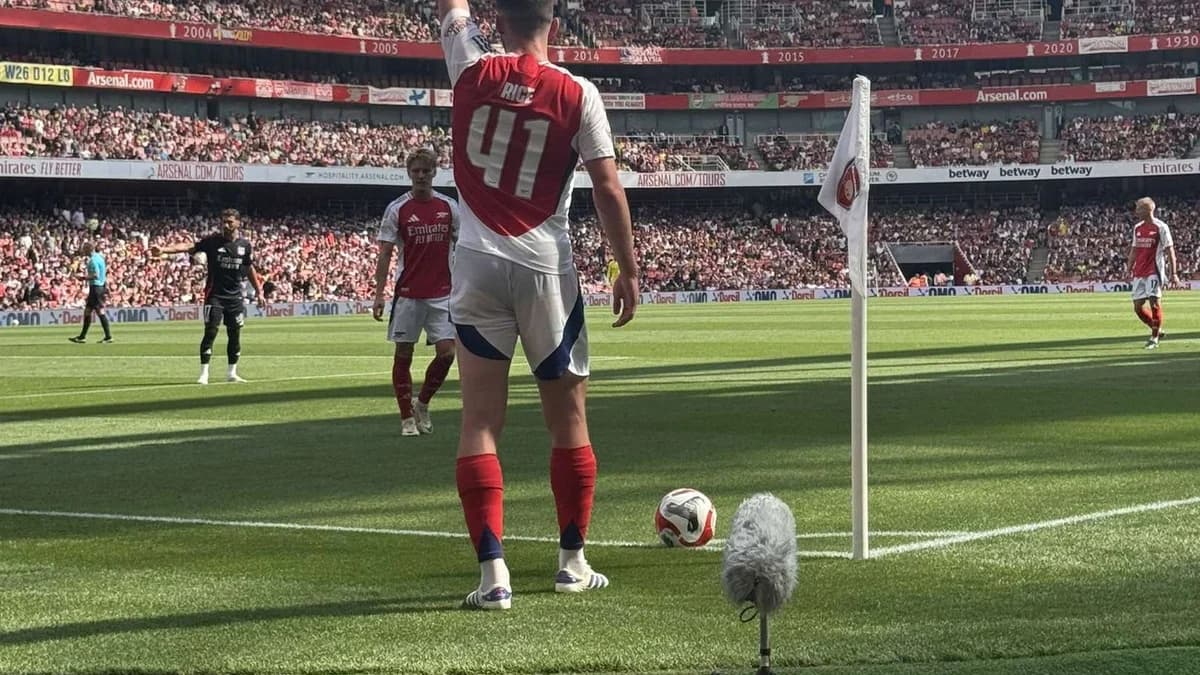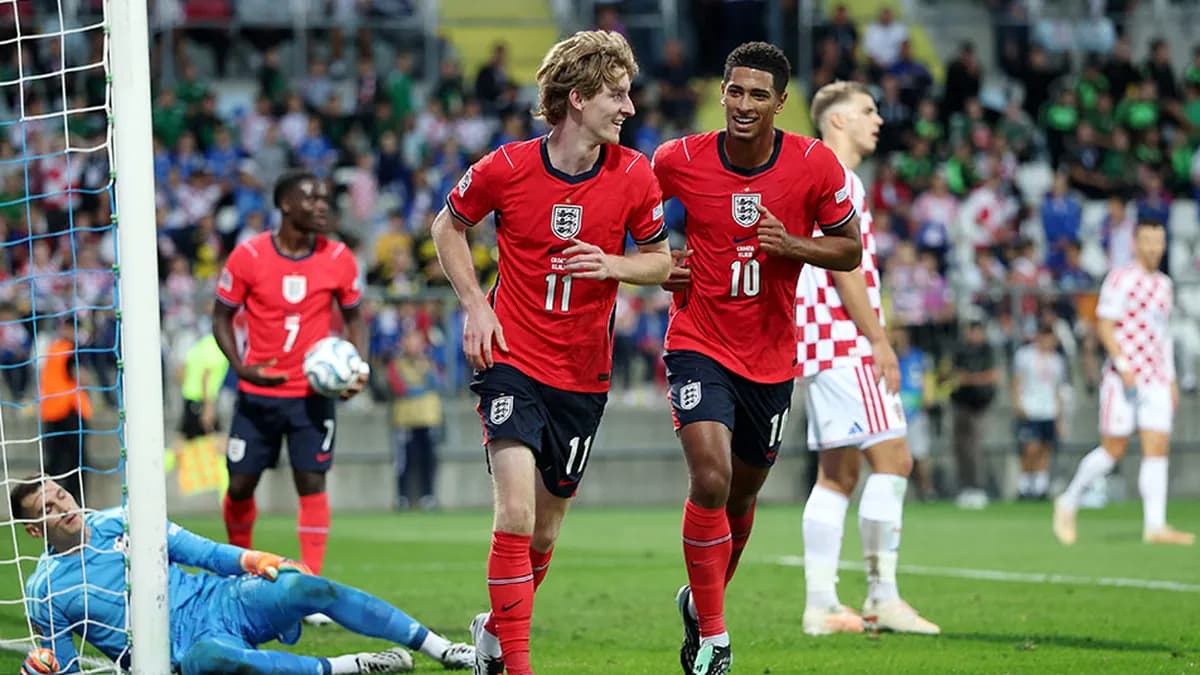
Champions League Matchday Five: English Clubs' Fixtures
Event / announcement: August 28, 2026

The Champions League league phase reaches Matchday Five on 24 and 25 November, with English clubs facing another set of very different European challenges. UEFA's fixture list includes Arsenal at home to Borussia Dortmund on 24 November and Aston Villa away to Galatasaray that evening. This article was prepared from the confirmed schedule before those games began. It sets out how to read the week without treating any fixture as a result already decided.
UEFA's calendar establishes the two-day Matchday Five window and its team-by-team fixture page lists each pairing. The league phase runs for eight matches per club, so a November result contributes to a larger table rather than ending a two-legged tie. Arsenal's home fixture and Villa's trip to Istanbul illustrate how different the demands can be: one side must use its home setting, while the other has to manage travel and a hostile away atmosphere. The other English clubs' final opponents and kick-off times should be checked on UEFA's page near publication.
The confirmed fixture and its context
By the fifth round, the table begins to carry more meaning, but it is still incomplete. Teams may have played different mixes of opponents, and a single result can move several places in a tightly packed section. That is why the exact standings on match day matter more than an October snapshot. The useful preview question is what each side needs from the match while remembering that the final ranking depends on three more league-phase rounds after this one.
- UEFA lists Matchday Five for 24-25 November.
- Arsenal host Borussia Dortmund on 24 November.
- Aston Villa visit Galatasaray on 24 November.
- Each club plays eight league-phase games in total.
- Current standings and team news must be checked on match day.
The distinction between a confirmed fact and a forecast matters here. The fixture, result and competition details above come from the linked reports and official schedules. Any suggestion about how English clubs or their European opponents might approach the next match is analysis, not a team announcement. Selection, injuries and tactical plans can change after this article is written, so a reader returning on match day should use the clubs' latest team news and the competition's current fixture page before drawing a firm conclusion.
The tactical questions
European opponents bring distinct pressing heights and transition speeds. For Arsenal, watch whether the midfield can give its forwards the ball before Dortmund's defensive block is set. For Villa in Istanbul, the first pass after winning possession could determine whether an away spell becomes a chance or another wave of pressure. Across the English contingent, set-piece defence is a recurring test because short sequences can decide otherwise balanced games. These are areas to observe, not claims about a manager's undisclosed plan.
The useful way to study English clubs in this setting is to separate territory from chance quality. Possession on its own says little about whether the ball reached dangerous areas, and a shot count can be inflated by speculative attempts. Watch where moves begin, how quickly the side progresses through midfield and whether its wide players can receive facing goal. For their European opponents, the same exercise can show whether a defensive spell is controlled or whether the team is merely surviving repeated entries into its penalty area. Those details make a more dependable reading than the score alone.
Set pieces deserve their own assessment. Corners and free kicks can change a close Champions League contest without either side dominating open play. Look for the first contact, the space around the second ball and the way defenders respond after a partial clearance. A team can defend the initial cross well yet concede because its midfield line does not recover. At the other end, a rehearsed delivery can create the decisive chance from an otherwise quiet attacking period. The official match report is the reference for what happened; these are the patterns worth checking in the footage.
- Which English clubs need points most at the current table position?
- How do away sides manage the first fifteen minutes?
- Can home sides turn territory into clear chances?
- Which set pieces create the best openings?
- What does the updated table look like after both nights?
How the wider schedule shapes the story
This match belongs to a crowded part of the football calendar. League games, European ties and international windows can force a coach to make decisions on recovery as well as form. That does not make rotation inevitable, but it is a reason to wait for confirmed line-ups before treating an expected eleven as settled. A return journey, a short training week or an extra cup fixture may affect preparation; none should be used as a substitute for evidence about a particular player's fitness. The dates in the official schedules below provide the stable reference point.
A single match can also distort a table-based argument. Position is a snapshot influenced by who has played whom, games in hand and the timing of difficult fixtures. In Champions League, the stronger question is whether a performance can be repeated against a different opponent and under a different game state. A side protecting a lead is asked to solve another problem than one chasing an equaliser. Review the next two or three fixtures alongside this one before turning a good or bad afternoon into a claim about the whole season.
What to check before kick-off
The strongest post-match assessment will compare the confirmed line-ups, chance quality and game states with these pre-match questions. A home win and an away draw may have different practical value depending on the table at that moment. Fans should check UEFA for any schedule change and then follow the live match reports for the actual results. This guide deliberately leaves room for the standings and squad news to change after its scheduled release.
For supporters following the story from Malaysia, the most practical next step is to check the official competition page near kick-off for the final time, venue and any schedule change, then the club channels for team sheets. Reports published earlier in the week are valuable background, but they cannot know a late fitness test or an unexpected selection decision. After the game, compare the official result with the questions above: which side controlled the dangerous spaces, which chances were genuinely clear and how did the managers respond when the match changed? That provides a fairer follow-up than judging only by the headline.
The enduring point is the same whether this is a decisive result or a preview. English clubs and their European opponents should be assessed through the evidence available at the time. The linked sources establish the event and its context; the questions in this article give readers a way to test what happens next. We will update the story when a later result supplies new evidence, rather than presenting a forecast as a completed match.
Sources
Like what you read?
Register now and put today's slate to work.